







Introduction
In today’s fast-paced digital landscape, businesses are under constant pressure to operate faster, smarter, and more efficiently. Traditional systems and legacy software often fail to keep up with evolving demands, leading to inefficiencies, rising costs, and limited scalability. This is where SaaS (Software as a Service) has emerged as a game-changing solution.
SaaS refers to cloud-based software that is delivered over the internet, allowing businesses to access applications without the need for complex installations or infrastructure. Instead of investing heavily in hardware and maintenance, companies can subscribe to software solutions that are ready to use, scalable, and continuously updated.
Many organizations today struggle with common challenges such as inefficient processes, high operational expenses, and the inability to scale quickly. Manual workflows, disconnected systems, and outdated technologies often slow down productivity and hinder growth. As competition intensifies, businesses need smarter tools to stay ahead.
SaaS solutions provide a modern approach to overcoming these challenges. By leveraging cloud technology, automation, and real-time data, SaaS enables organizations to streamline operations, improve collaboration, and make data-driven decisions. In this blog, we will explore how SaaS solutions significantly improve business efficiency and why they have become essential for modern enterprises.
What is SaaS?
Software as a Service (SaaS) is a cloud-based software delivery model where applications are hosted by a service provider and made available to users عبر the internet. Instead of purchasing software licenses and installing them on individual machines, users can access SaaS applications through web browsers on a subscription basis.
The core concept behind SaaS is simplicity and accessibility. Businesses no longer need to worry about managing servers, performing updates, or handling security patches. All these responsibilities are managed by the service provider, allowing organizations to focus on their core operations.
SaaS operates on a subscription-based model, typically billed monthly or annually. This eliminates the need for large upfront investments and provides flexibility for businesses to scale usage as needed.
Common examples of SaaS applications include Customer Relationship Management (CRM) systems, Enterprise Resource Planning (ERP) tools, project management platforms, accounting software, and marketing automation tools. These applications are designed to streamline specific business functions while offering seamless accessibility and integration.
Why Business Efficiency Matters
Business efficiency refers to the ability of an organization to maximize output while minimizing input, resources, and time. It plays a critical role in determining the success and sustainability of a business.
Efficient businesses can accomplish more with fewer resources, which directly impacts productivity. When processes are optimized, employees can focus on high-value tasks instead of repetitive manual work. This leads to improved performance and better outcomes.
Profitability is another key aspect influenced by efficiency. By reducing unnecessary costs and optimizing operations, businesses can increase their margins and reinvest in growth initiatives. Inefficient systems, on the other hand, lead to wasted resources and lost opportunities.
Growth is closely tied to efficiency as well. Scalable systems and streamlined workflows enable businesses to expand operations without facing bottlenecks. Companies that fail to optimize their processes often struggle to keep up with increasing demands.
Without the right tools and technologies, businesses face several challenges. These include data silos, lack of visibility, slow decision-making, and operational delays. SaaS solutions address these issues by providing a unified, efficient, and scalable approach to managing business operations.

Key Ways SaaS Solutions Improve Business Efficiency
Automation of Routine Tasks
One of the most significant advantages of SaaS solutions is their ability to automate repetitive and time-consuming tasks. Manual processes not only consume valuable time but also increase the likelihood of errors.
SaaS tools can automate tasks such as data entry, report generation, email marketing, customer follow-ups, and workflow approvals. This reduces the burden on employees and allows them to focus on strategic activities that drive growth.
Automation also ensures consistency and accuracy. By eliminating human intervention in repetitive tasks, businesses can minimize errors and maintain standardized processes across departments.
Cost Reduction
Traditional software systems often require substantial investments in hardware, licensing, maintenance, and IT support. SaaS eliminates these costs by offering a subscription-based pricing model.
Businesses only pay for what they use, making it a cost-effective solution for organizations of all sizes. There is no need to invest in expensive infrastructure or hire dedicated teams for maintenance.
Additionally, SaaS providers handle updates, security, and system upgrades, reducing the overall cost of ownership. This allows businesses to allocate resources more efficiently and invest in core areas such as innovation and growth.
Scalability and Flexibility
Scalability is a critical factor for growing businesses. SaaS solutions are designed to scale effortlessly based on business needs.
Whether a company is expanding its workforce, entering new markets, or increasing its customer base, SaaS platforms can accommodate growth without requiring major changes to infrastructure. Businesses can easily upgrade or downgrade their subscription plans as needed.
Flexibility is another key benefit. SaaS applications can be accessed from multiple devices and locations, enabling organizations to adapt to changing work environments and demands.
Real-Time Data and Insights
Data-driven decision-making is essential for modern businesses. SaaS solutions provide real-time access to data, analytics, and reports, enabling organizations to make informed decisions quickly.
With centralized data systems, businesses can track performance metrics, monitor operations, and identify trends. This level of visibility helps in optimizing processes and improving efficiency.
Real-time insights also enable proactive decision-making. Instead of reacting to problems after they occur, businesses can anticipate challenges and take corrective actions in advance.
Remote Accessibility
The shift towards remote and hybrid work environments has made accessibility a crucial factor for business operations. SaaS solutions allow employees to access applications and data from anywhere with an internet connection.
This enhances productivity by enabling teams to work seamlessly regardless of their location. Remote accessibility also ensures business continuity in situations where physical presence is not possible.
Collaboration becomes easier as teams can work on shared platforms, communicate in real-time, and access the same data without delays.
Seamless Integration
Modern businesses use multiple tools and systems to manage different functions. SaaS solutions are designed to integrate with other applications, creating a unified ecosystem.
Integration allows data to flow seamlessly between systems, eliminating the need for manual data transfer. This reduces errors and ensures consistency across departments.
By connecting various tools such as CRM, accounting software, marketing platforms, and project management systems, businesses can create streamlined workflows that enhance efficiency.
Industry Use Cases of SaaS
SaaS solutions are widely used across various industries to improve efficiency and streamline operations.
In marketing, SaaS tools are used for automation, customer relationship management, and campaign tracking. These tools help businesses manage leads, analyze performance, and optimize marketing strategies.
In finance, cloud-based accounting software simplifies financial management by automating tasks such as invoicing, expense tracking, and reporting. This improves accuracy and reduces manual effort.
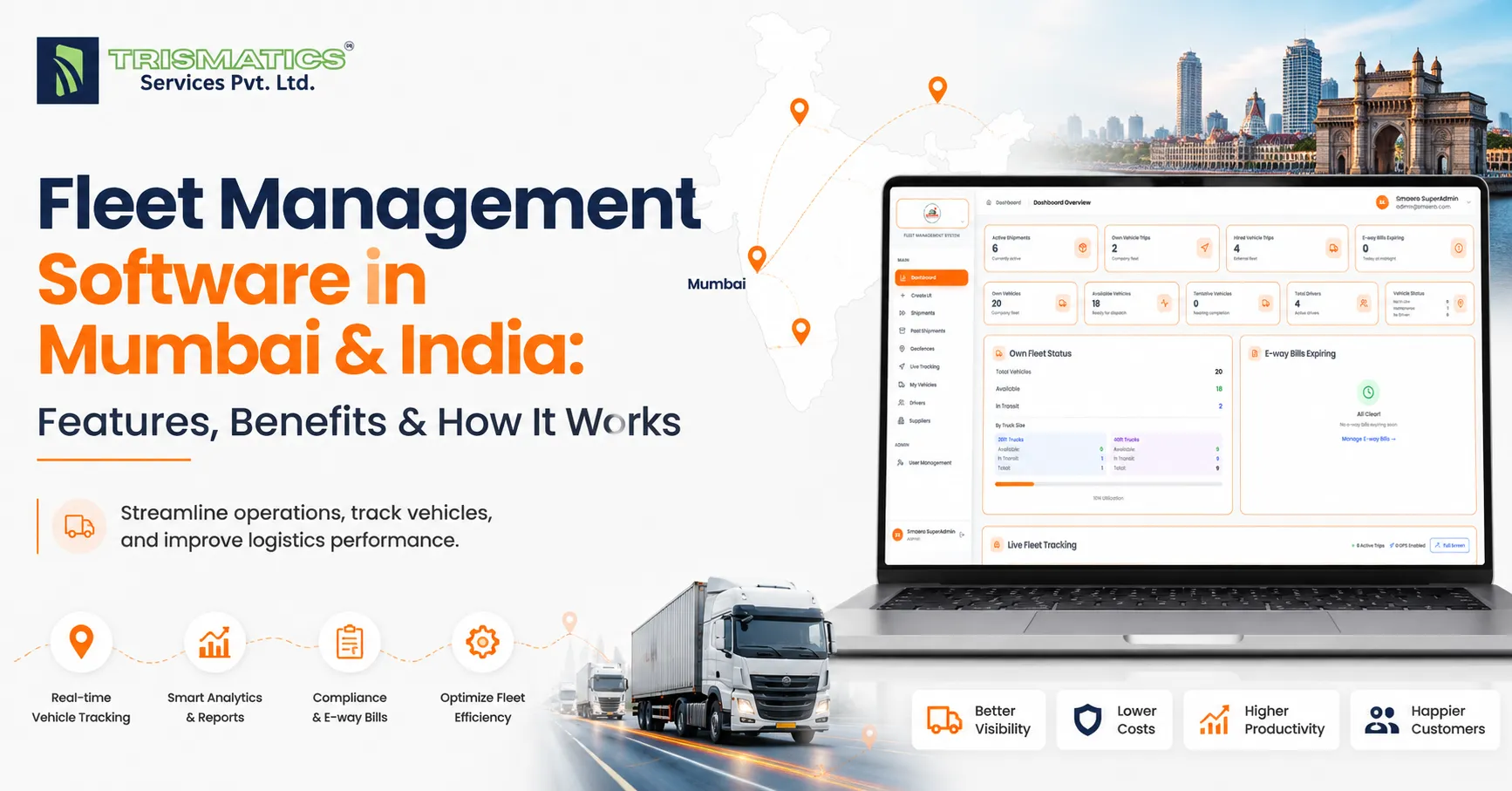
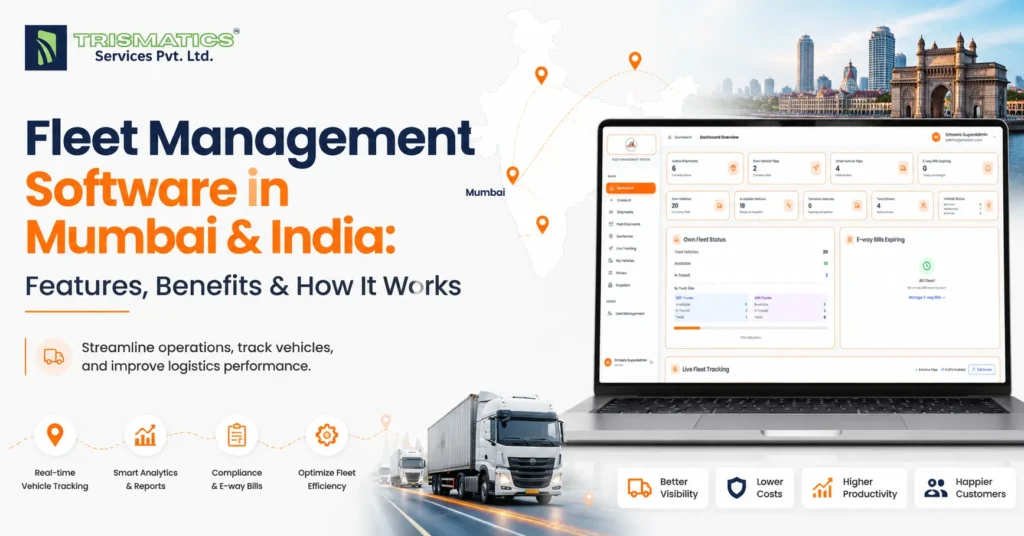
In logistics, SaaS platforms enable businesses to manage fleet operations, track shipments, and optimize routes. These solutions enhance operational efficiency and reduce costs.
In human resources, SaaS systems streamline employee management, payroll processing, recruitment, and performance tracking. This improves organizational efficiency and employee satisfaction.
Real Business Benefits
The adoption of SaaS solutions leads to several tangible benefits for businesses.
Productivity increases as employees spend less time on manual tasks and more time on strategic initiatives. Automated workflows and streamlined processes enable faster execution of tasks.
Operations become faster and more efficient, allowing businesses to respond quickly to market changes and customer demands.
Collaboration improves as teams can work together on shared platforms, access real-time data, and communicate effectively.
Customer experience is enhanced through better service delivery, faster response times, and personalized interactions. SaaS tools enable businesses to understand customer needs and provide tailored solutions.
Challenges of SaaS and How to Overcome Them
Despite its numerous advantages, SaaS adoption comes with certain challenges.
Data security is a common concern for businesses. To address this, organizations should choose reputable providers that offer robust security measures such as encryption, compliance certifications, and regular audits.
Internet dependency is another challenge, as SaaS applications require a stable internet connection. Businesses can mitigate this risk by implementing backup connectivity solutions and offline capabilities where possible.
Integration issues may arise when connecting multiple systems. Choosing scalable and compatible SaaS platforms can help overcome this challenge and ensure seamless integration.
How to Choose the Right SaaS Solution
Selecting the right SaaS solution is crucial for maximizing efficiency.
Businesses should start by identifying their specific needs and objectives. Understanding the problems they want to solve helps in choosing the most suitable solution.
Scalability is an important factor to consider. The chosen platform should be able to grow with the business and adapt to changing requirements.
Security features should be thoroughly evaluated to ensure data protection and compliance with industry standards.
Pricing and support are also critical considerations. Businesses should compare different options, evaluate the value offered, and choose a provider that offers reliable customer support.
Future of SaaS in Business Efficiency
The future of SaaS is closely tied to advancements in technology.
Artificial intelligence is playing a significant role in enhancing SaaS solutions. AI-powered tools can automate complex tasks, provide predictive insights, and improve decision-making.
Automation will continue to evolve, enabling businesses to streamline processes further and reduce manual intervention.
Industry-specific SaaS solutions are also gaining popularity. These platforms are tailored to meet the unique needs of different industries, providing more targeted and effective solutions.
As technology continues to advance, SaaS will become even more integral to business operations, driving efficiency and innovation.
Conclusion
SaaS solutions have revolutionized the way businesses operate by providing a flexible, scalable, and cost-effective approach to managing operations. From automation and cost reduction to real-time insights and seamless integration, SaaS offers numerous benefits that significantly improve business efficiency.
In an increasingly competitive environment, businesses must adopt modern technologies to stay ahead. SaaS not only enhances productivity and profitability but also enables organizations to scale and adapt to changing demands.
By leveraging SaaS solutions, businesses can overcome traditional challenges, optimize processes, and achieve sustainable growth.
Call to Action
Looking to improve your business efficiency?
Explore Trismatics SaaS solutions today and discover how technology can transform your operations.
Contact us for a free consultation and take the first step towards a smarter, more efficient future.