







Introduction
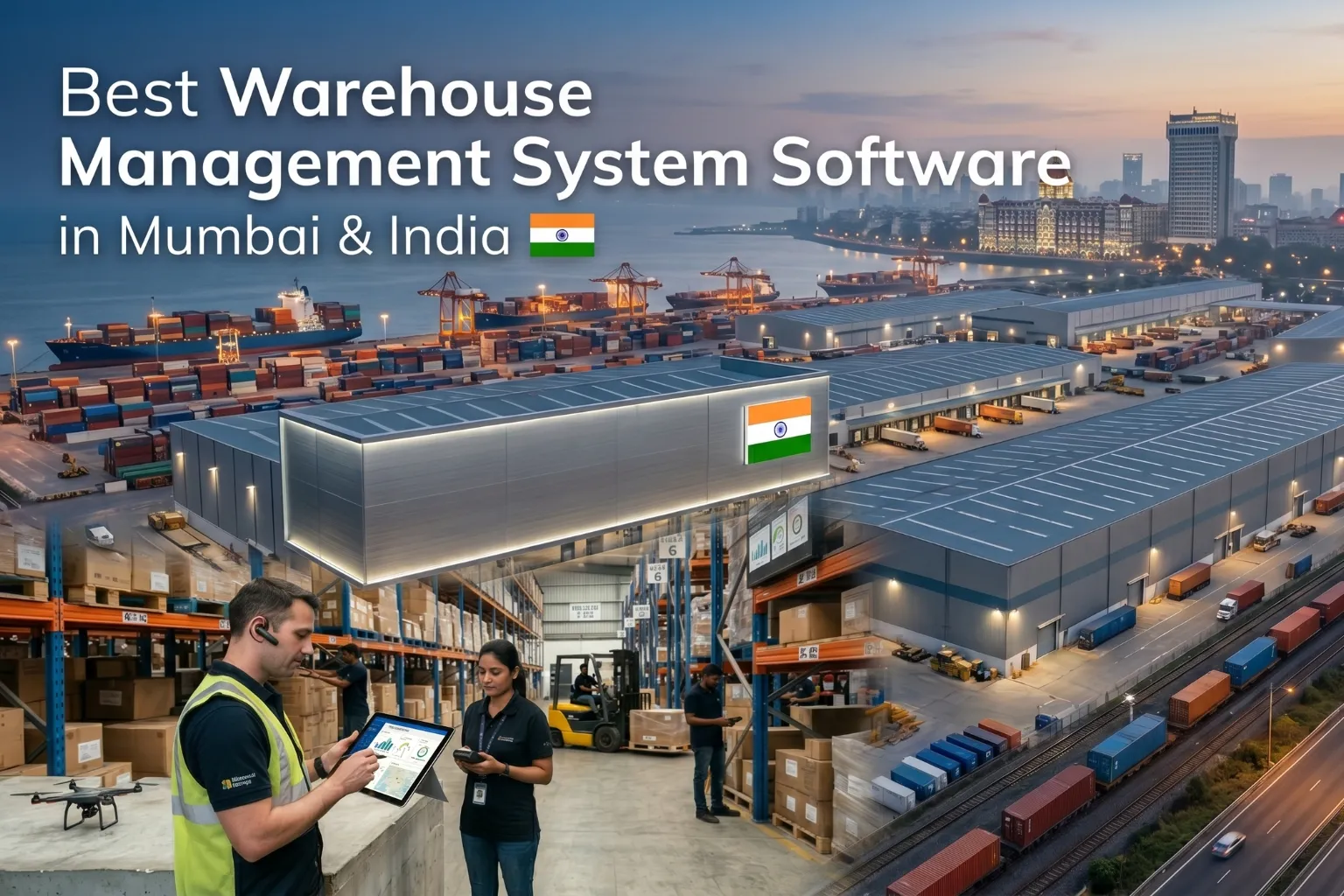
As India’s logistics, manufacturing, retail, and e-commerce sectors continue to expand rapidly, efficient warehouse management has become a critical factor for business success. Modern businesses are no longer relying on manual spreadsheets and traditional inventory tracking methods. Instead, they are embracing digital warehouse solutions to improve operational efficiency, inventory accuracy, and customer satisfaction.
The growing importance of warehouse digitization in India is driven by increasing customer expectations, rising inventory volumes, and the need for faster order fulfillment. Businesses often face challenges such as inventory inaccuracies, stockouts, delayed shipments, inefficient warehouse space utilization, and lack of real-time visibility into stock levels.
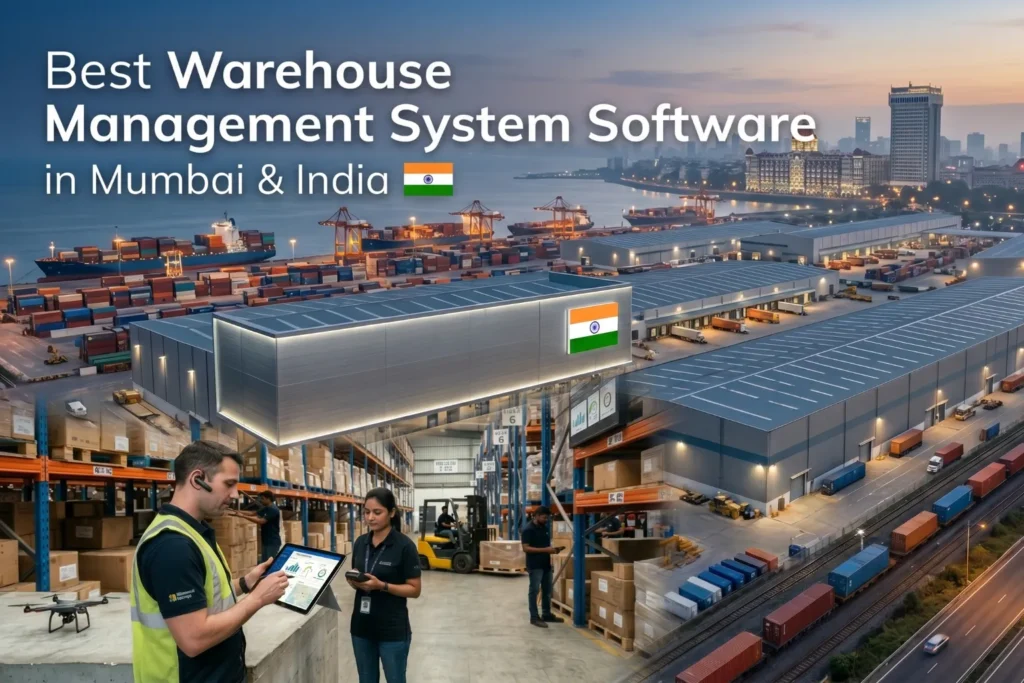
To overcome these challenges, companies are increasingly investing in the Best Warehouse Management System Software in Mumbai & India. A robust Warehouse Management System (WMS) enables organizations to automate warehouse operations, optimize inventory control, and streamline logistics processes.
This comprehensive guide explains everything you need to know about Warehouse Management System Software, including its features, benefits, implementation considerations, industry applications, and how to select the right solution for your business.
What is Warehouse Management System Software?
Definition of Warehouse Management System (WMS) Software
Warehouse Management System Software (WMS) is a technology solution designed to manage, control, and optimize warehouse operations. It provides complete visibility into inventory movement, stock levels, storage locations, order processing, and shipping activities.
The primary objective of a WMS is to improve warehouse efficiency while reducing costs and operational errors.
How Warehouse Management Software Works
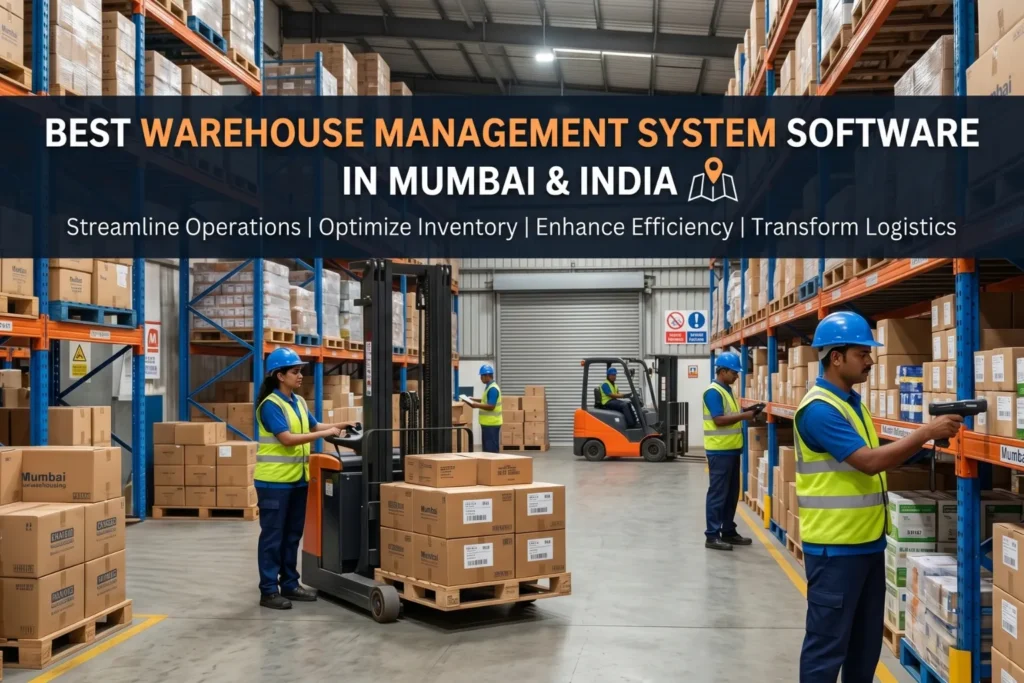
A Warehouse Management System tracks inventory from the moment products enter the warehouse until they are shipped to customers. The software uses barcode scanning, RFID technology, mobile devices, and automation tools to collect real-time warehouse data.
The system continuously updates inventory records and provides instant access to critical operational information.
Core Functions of a Modern Warehouse Management System
Key functions include:
- Inventory Tracking
- Stock Management
- Receiving and Putaway
- Order Picking and Packing
- Shipping Management
- Barcode and RFID Scanning
- Reporting and Analytics
- Multi-Warehouse Management
- ERP Integration
- Workforce Management
Why Businesses Need the Best Warehouse Management System Software in Mumbai & India
Increasing Demand for Warehouse Automation
Businesses are handling larger inventory volumes than ever before. Manual processes are often inefficient and prone to errors. Warehouse automation helps streamline operations and improve productivity.
Real-Time Inventory Visibility Requirements
Accurate inventory visibility is essential for making informed business decisions. The Best Warehouse Management System Software in Mumbai & India provides real-time inventory tracking and monitoring.
Managing Multiple Warehouses Efficiently
Many organizations operate warehouses across different regions. A centralized WMS helps manage multiple locations seamlessly.
Reducing Operational Costs and Errors
Automation reduces labor costs, minimizes manual errors, and improves operational efficiency.
Meeting Growing Customer Delivery Expectations
Customers expect fast and accurate deliveries. A WMS ensures timely order fulfillment and improved customer experiences.
Key Features of the Best Warehouse Management System Software in Mumbai & India
Real-Time Inventory Tracking
Track inventory levels, stock movements, and warehouse transactions in real time.
Barcode and RFID Integration
Barcode and RFID technologies improve inventory accuracy and reduce manual intervention.
Order Management and Fulfillment
Manage orders from receipt to delivery while ensuring faster processing and shipment.
Warehouse Space Optimization
Optimize warehouse layouts and storage utilization for maximum efficiency.
Multi-Warehouse Management
Control inventory across multiple warehouses through a centralized dashboard.
Automated Stock Replenishment
Automatically generate purchase orders and replenishment requests based on inventory thresholds.
Mobile Access and Warehouse Apps
Enable warehouse staff to access critical information through mobile devices.
Reporting and Business Analytics
Gain actionable insights through dashboards, reports, and performance metrics.
ERP and Accounting Software Integration
Integrate with ERP systems, accounting software, CRM platforms, and e-commerce applications.
Top Benefits of Warehouse Management System Software
Improved Inventory Accuracy
Real-time inventory tracking significantly reduces stock discrepancies.
Faster Order Processing
Automated workflows accelerate picking, packing, and shipping operations.
Reduced Warehouse Operating Costs
Warehouse automation lowers labor costs and operational inefficiencies.
Enhanced Workforce Productivity
Employees can focus on strategic tasks rather than repetitive manual activities.
Better Customer Satisfaction
Accurate inventory management and timely deliveries improve customer experiences.
Increased Business Scalability
A scalable WMS supports future business growth and expansion.
Industries That Benefit from Warehouse Management System Software
E-commerce and Online Retail
Online retailers rely on WMS to manage inventory and fulfill customer orders quickly.
Manufacturing Industry
Manufacturers use WMS to control raw materials, work-in-progress inventory, and finished products.
FMCG Businesses
Fast-moving consumer goods companies require efficient inventory management to meet market demand.
Pharmaceutical Companies
Pharmaceutical businesses use WMS for batch tracking, expiry management, and compliance.
Logistics and Transportation
Logistics providers depend on warehouse software to streamline storage and distribution.
Wholesale and Distribution Businesses
Distributors benefit from improved inventory visibility and order fulfillment capabilities.
Essential Modules in Warehouse Management System Software
Inventory Management Module
Tracks inventory quantities, locations, and stock movements.
Receiving and Putaway Management
Manages incoming inventory and assigns optimal storage locations.
Picking and Packing Management
Optimizes order fulfillment processes to improve speed and accuracy.
Shipping and Dispatch Management
Ensures timely and efficient shipment of products.
Returns and Reverse Logistics Management
Handles returned products and reverse logistics workflows effectively.
Challenges Solved by the Best Warehouse Management System Software in Mumbai & India
Inventory Inaccuracies
Real-time updates eliminate stock discrepancies and improve inventory control.
Stockouts and Overstocking
Advanced forecasting helps maintain optimal inventory levels.
Manual Data Entry Errors
Automation reduces human errors and improves data accuracy.
Lack of Warehouse Visibility
Comprehensive dashboards provide complete warehouse transparency.
Delayed Order Fulfillment
Optimized workflows accelerate order processing and delivery.
How to Choose the Best Warehouse Management System Software in Mumbai & India
Define Your Warehouse Requirements
Understand your operational challenges and business objectives.
Consider Scalability and Flexibility
Select software capable of growing alongside your business.
Evaluate Cloud vs On-Premise Deployment
Choose a deployment model that aligns with your budget and operational requirements.
Check Integration Capabilities
Ensure compatibility with existing ERP, CRM, and accounting platforms.
Review User Experience and Ease of Use
A user-friendly interface improves employee adoption and productivity.
Assess Vendor Support and Training
Reliable support and training contribute to successful implementation.
Cloud-Based vs On-Premise Warehouse Management Software
What is Cloud-Based WMS?
Cloud-based Warehouse Management Software is hosted online and accessed via internet-connected devices.
What is On-Premise WMS?
On-premise WMS is installed and managed on company-owned servers and infrastructure.
Advantages and Disadvantages of Both
Cloud-Based WMS Advantages:
- Lower upfront costs
- Remote accessibility
- Automatic updates
- Faster deployment
On-Premise WMS Advantages:
- Greater control over data
- Customized infrastructure
- Internal management capabilities
Which Option is Best for Indian Businesses?
For most SMEs and growing enterprises, cloud-based solutions offer greater flexibility, affordability, and scalability.
Future Trends in Warehouse Management System Software
Artificial Intelligence (AI) in Warehousing
AI helps optimize inventory forecasting, warehouse operations, and demand planning.
Internet of Things (IoT) Integration
IoT-enabled devices provide real-time monitoring of inventory and warehouse assets.
Predictive Inventory Management
Predictive analytics helps businesses anticipate inventory requirements accurately.
Robotics and Smart Automation
Warehouse robots improve picking efficiency and reduce labor dependency.
Data-Driven Warehouse Operations
Advanced analytics enable businesses to make informed warehouse management decisions.
Why Mumbai Businesses Are Adopting Warehouse Management System Software
Growing E-commerce and Retail Market
Mumbai’s expanding e-commerce sector requires advanced warehouse management capabilities.
Need for Faster Logistics Operations
Businesses must optimize logistics processes to remain competitive.
Increasing Warehouse Complexity
Growing inventory volumes and multi-location operations demand advanced software solutions.
Demand for Real-Time Business Insights
Organizations need accurate data to improve decision-making and operational efficiency.
Why Choose Trismatics Warehouse Management System Software?
Advanced Inventory Control Features
Track inventory accurately with real-time stock visibility.
Real-Time Warehouse Monitoring
Monitor warehouse activities and performance from a centralized dashboard.
Customizable Business Workflows
Adapt workflows to meet your unique business requirements.
Seamless ERP Integration
Connect effortlessly with ERP, accounting, CRM, and e-commerce systems.
Scalable Solutions for SMEs and Enterprises
Suitable for businesses of all sizes and industries.
Dedicated Technical Support
Receive expert implementation assistance, training, and ongoing support.
ROI of Implementing Warehouse Management System Software
Cost Savings Through Automation
Automation reduces labor costs and eliminates inefficiencies.
Improved Inventory Accuracy
Accurate inventory records minimize stock losses and shrinkage.
Enhanced Operational Efficiency
Streamlined workflows increase warehouse productivity.
Better Resource Utilization
Optimize workforce performance and warehouse space usage.
Increased Customer Retention
Faster deliveries and improved order accuracy contribute to higher customer loyalty.
Conclusion
Selecting the Best Warehouse Management System Software in Mumbai & India is a strategic investment that can transform warehouse operations and drive long-term business growth.
A modern Warehouse Management System offers real-time inventory tracking, warehouse automation, business analytics, mobile accessibility, and seamless integration with enterprise systems. These capabilities help organizations reduce costs, improve productivity, and enhance customer satisfaction.
Whether you operate in e-commerce, manufacturing, FMCG, logistics, pharmaceuticals, or wholesale distribution, implementing the right WMS can significantly improve efficiency and profitability.
If you’re looking for a reliable and scalable warehouse solution, Trismatics Warehouse Management System Software can help optimize your warehouse operations and support future growth.
Schedule a demo or consultation today to discover how Trismatics can streamline your warehouse management processes. can transform your business operations.





2 Comments
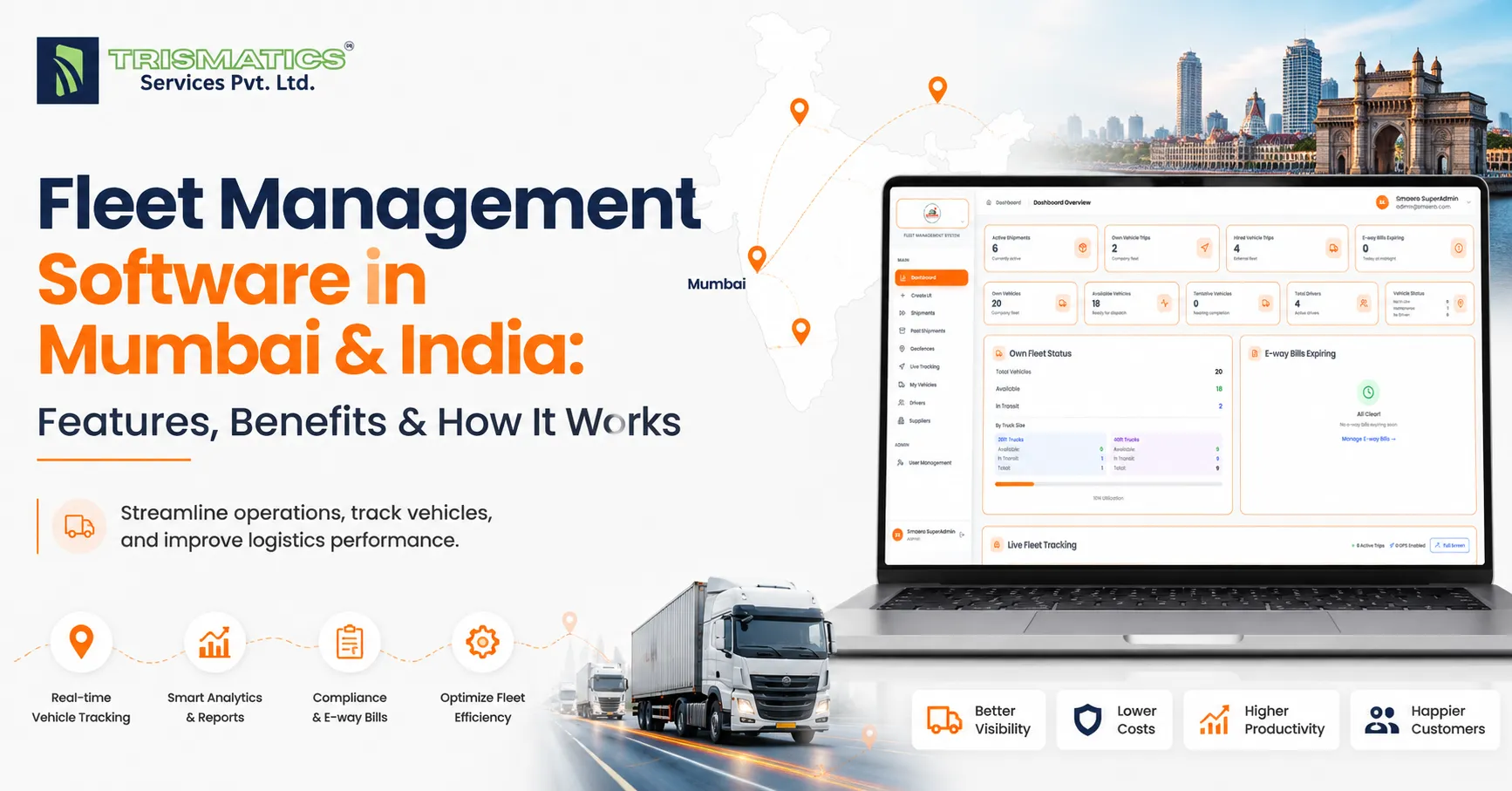
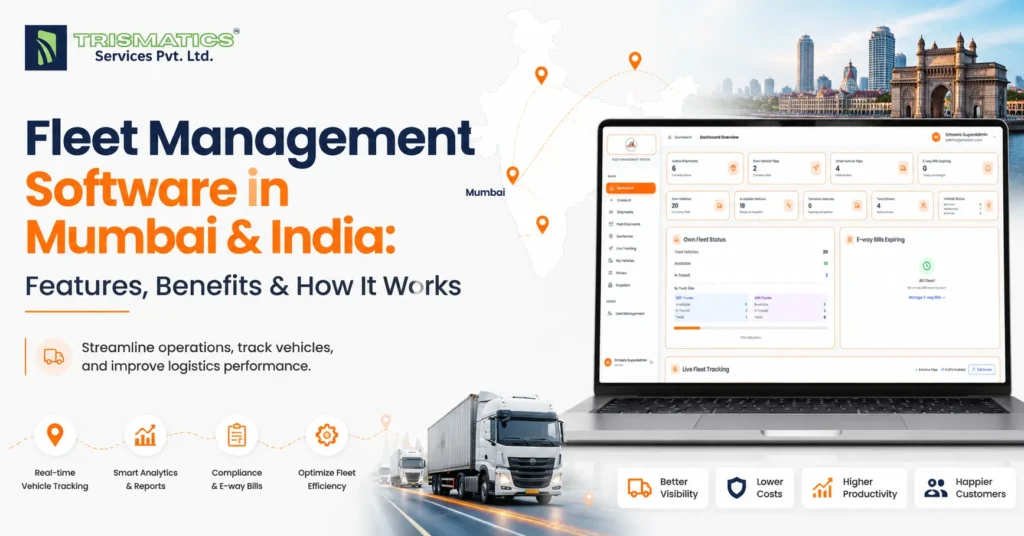
[…] is where Fleet Management Software in Mumbai & India can make a significant difference. Modern fleet management technology enables businesses to monitor […]
Absolutely! Fleet Management Software in Mumbai & India can significantly improve fleet visibility, operational efficiency, route planning, fuel management, and overall cost control. Modern technology helps businesses make smarter, data-driven decisions while keeping vehicles and operations better connected.
If you’re looking to streamline your fleet operations, explore our solutions at https://www.trismatics.com or get in touch with us:
Call: +91 89768 56215
Email: sales@trismatics.com
Visit: https://www.trismatics.com