






Introduction
Fleet management has become increasingly complex in today’s fast-moving business environment. Companies that rely on transportation, logistics, or field operations are facing mounting challenges that directly impact their efficiency and profitability. Rising fuel costs, increasing operational expenses, lack of real-time visibility, and inefficient manual processes are just a few of the issues businesses encounter daily.
Traditional fleet management methods, which often depend on spreadsheets, manual logs, and disconnected systems, are no longer sufficient to meet modern demands. These outdated approaches result in delays, errors, poor decision-making, and ultimately, reduced competitiveness in the market.
One of the biggest challenges businesses face is the lack of real-time tracking and control over their fleet operations. Without accurate and timely data, it becomes difficult to optimize routes, monitor driver behavior, or respond quickly to unexpected situations. This leads to wasted resources, higher costs, and lower customer satisfaction.
Smart fleet solutions have emerged as a powerful alternative, offering a modern and technology-driven approach to managing fleet operations. By leveraging GPS tracking, IoT devices, and cloud-based platforms, these solutions provide real-time visibility, automation, and actionable insights. Businesses are increasingly switching to smart fleet solutions to streamline operations, reduce costs, and improve overall efficiency.
In this blog, we will explore why businesses are making this transition and how smart fleet solutions are transforming the future of fleet management.
What Are Smart Fleet Solutions?
Smart fleet solutions refer to advanced, technology-driven systems designed to manage, monitor, and optimize fleet operations in real time. These solutions combine multiple technologies to provide a centralized platform for controlling all aspects of fleet management.
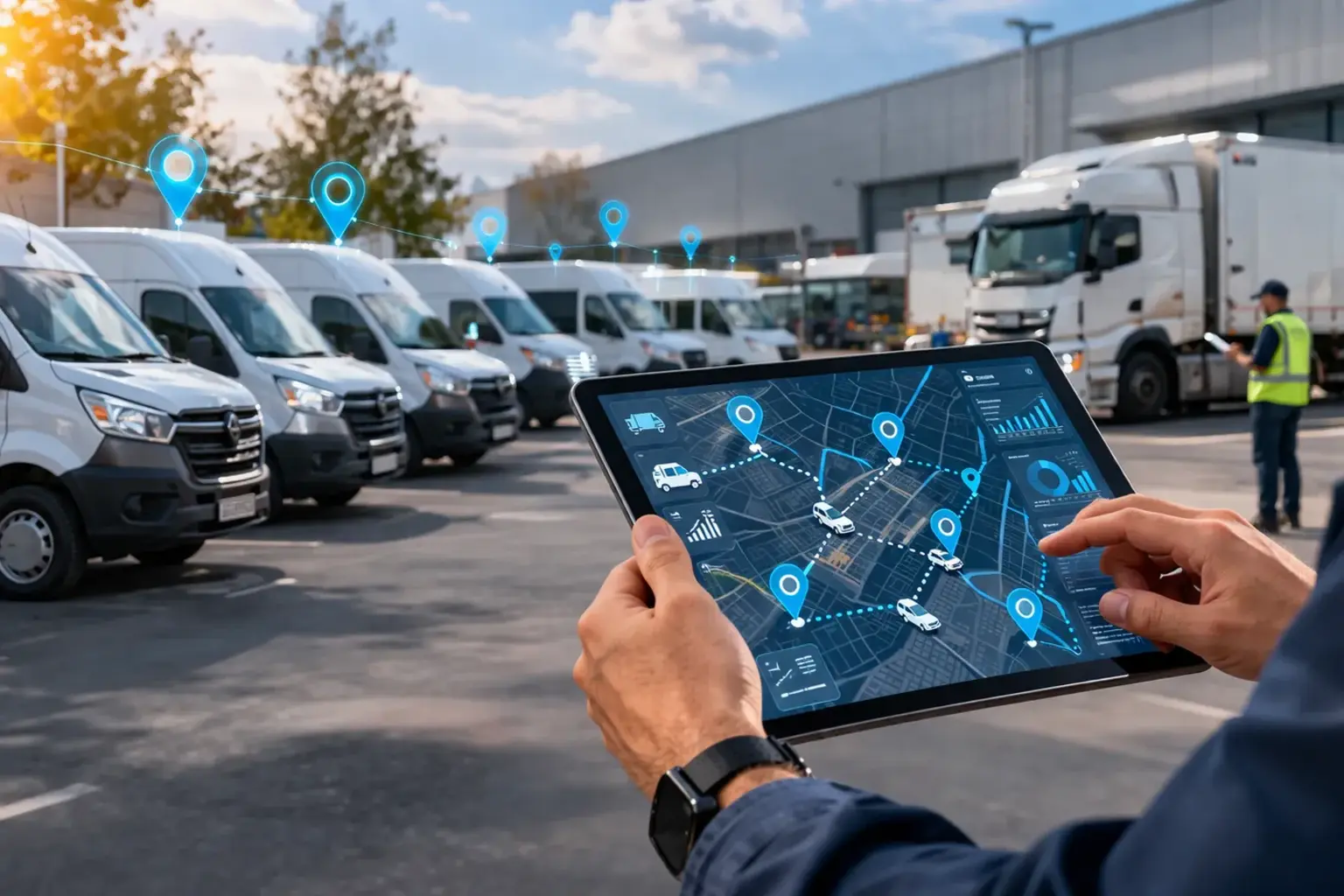
At their core, smart fleet solutions integrate GPS tracking, IoT devices, and cloud-based software to deliver accurate and real-time data about vehicles, drivers, and operations. This allows businesses to gain complete visibility and control over their fleet.
GPS tracking enables businesses to monitor the exact location of their vehicles at any given time. IoT integration enhances this capability by collecting data from sensors installed in vehicles, such as fuel consumption, engine performance, and driver behavior. Cloud-based platforms ensure that all this data is accessible from anywhere, at any time.
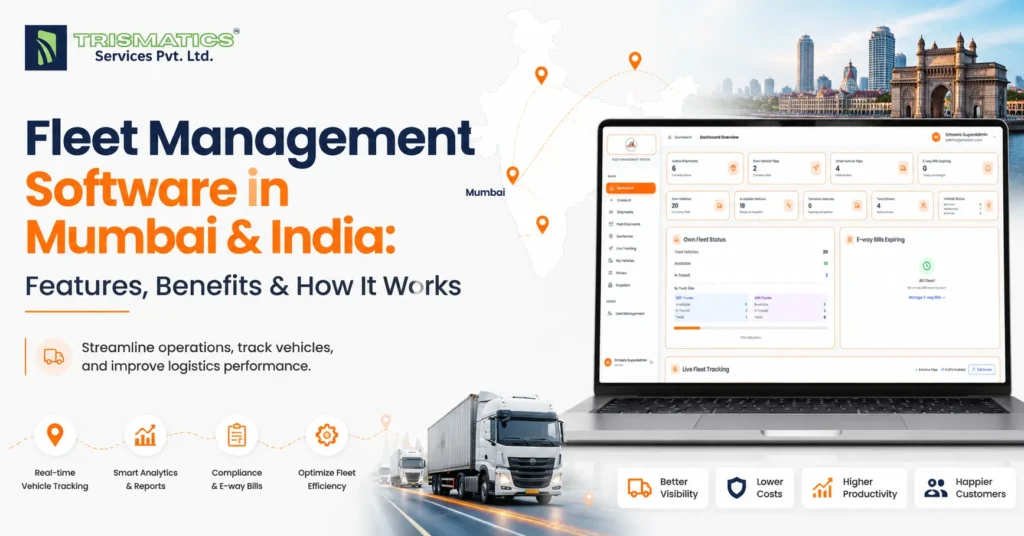
The working of smart fleet solutions is simple yet powerful. Data is collected from vehicles through GPS and IoT devices, transmitted to a centralized cloud platform, and then processed into actionable insights. Managers can access dashboards, reports, and analytics to make informed decisions and optimize operations.
These solutions are not limited to large enterprises. Businesses of all sizes can benefit from smart fleet management by improving efficiency, reducing costs, and enhancing overall performance.
Why Traditional Fleet Management Falls Short
Traditional fleet management systems are often fragmented, manual, and inefficient. They rely heavily on human intervention, which increases the likelihood of errors and delays.
One of the primary limitations is the lack of real-time tracking. Without live data, businesses cannot monitor vehicle movements or respond quickly to changes. This results in inefficiencies such as delays in deliveries and poor route planning.
High operational costs are another major concern. Traditional methods fail to optimize fuel usage, maintenance schedules, and resource allocation, leading to unnecessary expenses.
Inefficient route planning is a common issue as well. Without advanced tools, businesses struggle to determine the most efficient routes, resulting in longer travel times and increased fuel consumption.
Limited data insights further hinder decision-making. Traditional systems do not provide comprehensive analytics, making it difficult to identify patterns, trends, or areas for improvement.
Manual errors are inevitable in systems that rely on paperwork and manual data entry. These errors can lead to inaccurate reporting, compliance issues, and operational inefficiencies.
As businesses grow, these challenges become more pronounced, making it essential to adopt smarter and more efficient solutions.

Key Reasons Businesses Are Switching
Real-Time Tracking and Visibility
One of the most significant advantages of smart fleet solutions is real-time tracking. Businesses can monitor the location and status of their vehicles at any moment, providing complete visibility into operations.
This level of transparency allows managers to make quick decisions, respond to issues promptly, and ensure smooth operations. Real-time tracking also helps in improving accountability among drivers and reducing unauthorized usage of vehicles.
Cost Optimization
Cost reduction is a major driving factor behind the adoption of smart fleet solutions. By optimizing routes, monitoring fuel consumption, and reducing idle time, businesses can significantly lower their operational expenses.
Maintenance costs are also reduced as smart systems provide alerts and reminders for timely servicing. Preventive maintenance helps in avoiding costly breakdowns and extending the lifespan of vehicles.
Improved Operational Efficiency
Smart fleet solutions automate various processes, reducing the need for manual intervention. Tasks such as route planning, scheduling, reporting, and compliance tracking can be handled automatically.
This leads to faster decision-making and smoother operations. Employees can focus on strategic activities rather than spending time on repetitive tasks.
Data-Driven Insights
Access to real-time data and analytics is a game-changer for businesses. Smart fleet solutions provide detailed insights into performance metrics, fuel usage, driver behavior, and more.
These insights enable businesses to identify inefficiencies, optimize operations, and make informed decisions. Data-driven strategies lead to better outcomes and improved efficiency.
Enhanced Driver Safety
Driver safety is a critical aspect of fleet management. Smart fleet solutions monitor driver behavior, including speed, braking patterns, and driving habits.
By identifying risky behavior, businesses can take corrective actions, provide training, and ensure safer driving practices. This reduces the risk of accidents and improves overall safety.
Better Customer Experience
Customer expectations are higher than ever, especially in industries like logistics and delivery. Smart fleet solutions enable businesses to provide accurate delivery timelines and real-time updates.
Faster and more reliable service enhances customer satisfaction and builds trust. Businesses can also respond quickly to customer queries and provide better support.
Benefits of Smart Fleet Solutions
Smart fleet solutions offer a wide range of benefits that go beyond basic fleet management.
Increased productivity is one of the most noticeable advantages. Automated processes and real-time insights enable teams to work more efficiently and complete tasks faster.
Reduced downtime is another key benefit. Predictive maintenance and real-time monitoring help in identifying issues before they become major problems, ensuring that vehicles remain operational.
Improved asset utilization ensures that resources are used effectively. Businesses can track vehicle usage, identify underutilized assets, and optimize their deployment.
Compliance and reporting become easier with automated systems that generate accurate reports and ensure adherence to regulations.
Scalability is a significant advantage for growing businesses. Smart fleet solutions can easily adapt to increasing demands, making them suitable for organizations of all sizes.
Industry Use Cases
Smart fleet solutions are widely used across various industries, each benefiting in unique ways.
In logistics and transportation, these solutions help in managing large fleets, optimizing routes, and ensuring timely deliveries. Real-time tracking and analytics improve efficiency and reduce costs.
In e-commerce delivery, smart fleet solutions enable faster and more accurate deliveries. Businesses can provide real-time updates to customers and improve overall service quality.
In construction and field services, fleet management systems help in tracking equipment and vehicles, ensuring efficient utilization and reducing downtime.
In FMCG distribution, smart fleet solutions streamline supply chain operations, ensuring that products reach their destinations quickly and efficiently.
Challenges in Adopting Smart Fleet Solutions
Despite their advantages, adopting smart fleet solutions comes with certain challenges.
Initial implementation costs can be a concern for some businesses. However, the long-term benefits and cost savings often outweigh the initial investment.
Training requirements are another challenge, as employees need to learn how to use new systems effectively. Proper training and support can help in overcoming this hurdle.
Data security is a critical concern, especially when dealing with sensitive business information. Choosing reliable providers with strong security measures is essential.
To overcome these challenges, businesses should opt for scalable SaaS platforms that offer flexibility and cost-effectiveness. Investing in employee training ensures smooth adoption and maximizes the benefits of the system. Working with trusted providers helps in addressing security concerns and ensuring reliable performance.
How to Choose the Right Fleet Solution
Selecting the right fleet solution is crucial for achieving the desired outcomes.
Businesses should begin by identifying their specific requirements and objectives. Understanding the problems they want to solve helps in choosing the most suitable solution.
Real-time tracking features are essential for effective fleet management. Businesses should look for solutions that provide accurate and reliable tracking capabilities.
Integration capabilities are also important, as the fleet solution should work seamlessly with existing systems.
Pricing and return on investment should be carefully evaluated. Businesses should choose solutions that offer value for money and align with their budget.
Customer support is another critical factor. Reliable support ensures that any issues are resolved quickly and operations remain uninterrupted.
Future of Smart Fleet Management
The future of fleet management is driven by technological advancements and innovation.
Artificial intelligence and predictive analytics are expected to play a significant role in enhancing fleet operations. These technologies enable businesses to predict issues, optimize routes, and improve decision-making.
Automation will continue to evolve, reducing manual intervention and increasing efficiency. IoT expansion will further enhance data collection and monitoring capabilities.
Electric and sustainable fleets are becoming increasingly popular as businesses focus on reducing their environmental impact. Smart fleet solutions will play a key role in managing and optimizing these fleets.
Advanced route optimization technologies will enable businesses to find the most efficient routes, reducing travel time and fuel consumption.
Conclusion
Smart fleet solutions are transforming the way businesses manage their fleet operations. By providing real-time visibility, automation, and data-driven insights, these solutions help organizations overcome the limitations of traditional systems.
From cost optimization and improved efficiency to enhanced safety and better customer experience, the benefits of smart fleet solutions are significant. As businesses continue to face increasing challenges, adopting modern technologies becomes essential for staying competitive.
Switching to smart fleet solutions is not just a trend but a strategic decision that enables businesses to achieve long-term success and growth.
Call to Action
Ready to optimize your fleet operations?
Explore smart fleet solutions with Trismatics and discover how technology can transform your business.
Book a demo today and take the first step towards smarter, more efficient fleet management.